Unauthorized parking is one of those problems that seems small until it isn’t. One car in a reserved spot is an annoyance. The same spot getting used by strangers every week is a pattern that costs a property owner money, tenant goodwill, or both. This article walks through the realistic options available to Toronto property owners, from the least disruptive to the most direct.
Table of Contents
ToggleStart By Understanding the Pattern
Before deciding how to respond, it helps to know what’s actually happening. Is it the same vehicle repeatedly, or different vehicles each time? Is it happening during business hours, overnight, or on weekends? Is it tied to a nearby event, business, or transit stop? A single incident usually calls for a different response than a recurring pattern — and knowing the difference shapes everything else you do.
Documentation Comes First
Whatever action you eventually take, documentation makes it defensible. That means:
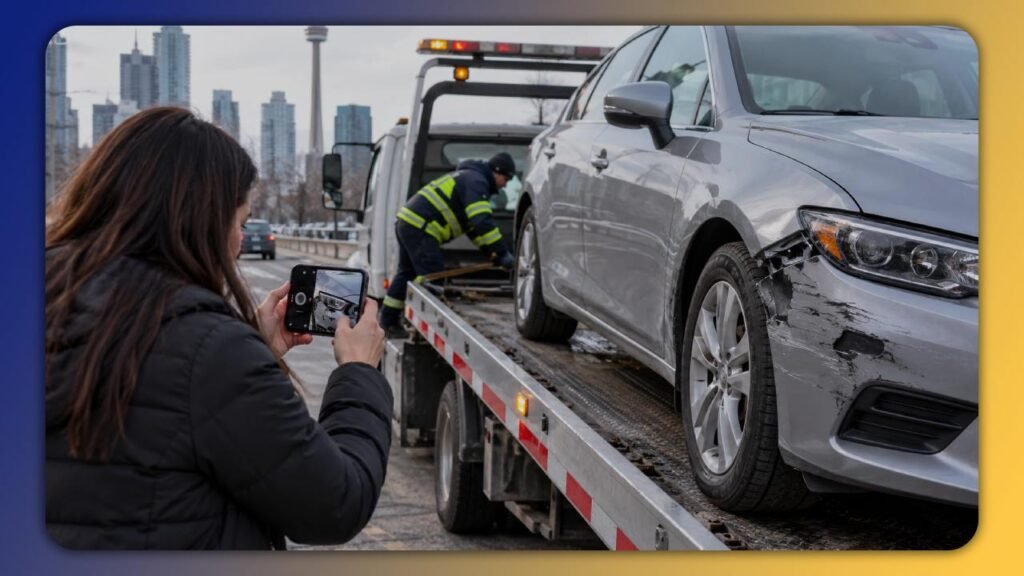
- Photos of the vehicle, including the license plate and its position relative to signage
- The date, time and duration the vehicle was parked
- A record of any prior warnings issued to the same vehicle or driver
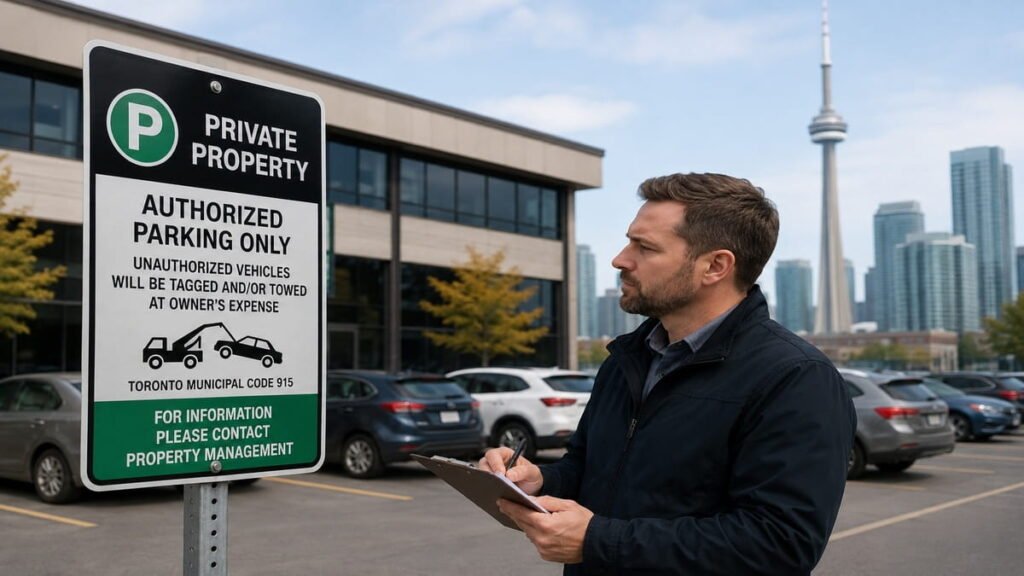
- Copies of current signage showing parking restrictions were clearly posted
This matters most if a situation ever escalates into a dispute. A property owner with a documented pattern and clear signage is in a far stronger position than one relying on memory and frustration.
Escalation: From Notice to Tow
Most experienced property managers use a graduated approach rather than jumping straight to towing:
- A warning notice left on the vehicle, referencing the property’s parking policy
- Direct communication with tenants or staff if the vehicle can be traced to someone on the property
- A follow-up notice if the behaviour repeats, making clear that continued violations may result in towing
- Requesting a tow once informal steps have failed or the vehicle is causing an active problem — blocking access, taking a reserved spot repeatedly, or ignoring warnings
This isn’t a legal requirement in every case, but it’s a practical way to resolve issues without unnecessary conflict, and it builds the documentation trail mentioned above.
When Towing Is the Right Call
Some situations don’t leave much room for a graduated approach. A vehicle blocking a fire route, an accessible parking space, or the only entrance to a loading dock is a safety and operational issue, not just an inconvenience — and towing may be the appropriate first response rather than the last resort.
For recurring nuisance parking where warnings haven’t worked, property towing becomes a structured way for property managers to enforce the rules that are already posted on their signage, rather than relying on informal enforcement that rarely sticks.
Prevention Reduces How Often You Need This
Every property with a chronic unauthorized parking problem tends to share the same weak points: signage that’s hard to see, no consistent enforcement process, or parking rules that were never clearly communicated to tenants and visitors in the first place. Addressing those gaps — updated signage, a documented policy, and a consistent response when violations happen — usually reduces how often towing is even necessary.
Know Where the Line Is
Property owners have real options for dealing with unauthorized parking, but not unlimited ones. A vehicle can’t be damaged, blocked in with another car as an improvised deterrent, or removed without proper authorization and signage. Sticking to documented, authorized responses protects the property owner as much as it resolves the parking issue.
Unauthorized parking rarely fixes itself. Whether the right response is a conversation, a notice, or a tow request usually comes down to how often it’s happening and how much it’s actually affecting the property.
FAQs
What should I do the first time I notice unauthorized parking?
Document it with photos and details, and consider a warning notice referencing your posted parking policy before moving to more direct action.
Can I block in or damage a vehicle parked without permission?
No. Interfering with a vehicle directly can create liability for the property owner. Documented, authorized responses — notices and, if needed, a professional tow — are the appropriate route.
How many warnings should I give before requesting a tow?
There’s no fixed number, but many property managers use one or two documented notices before escalating, unless the vehicle is blocking access or creating a safety issue.
Does signage actually reduce unauthorized parking?
Clear, visible signage that states restrictions and consequences tends to reduce casual violations and also supports enforcement if towing becomes necessary.
Is unauthorized parking a bigger problem for commercial or residential properties?
Both deal with it, but the patterns differ — commercial lots often see it from nearby businesses or events, while residential properties tend to see visitor or guest parking abuse.
 Call us at
  Email us at