
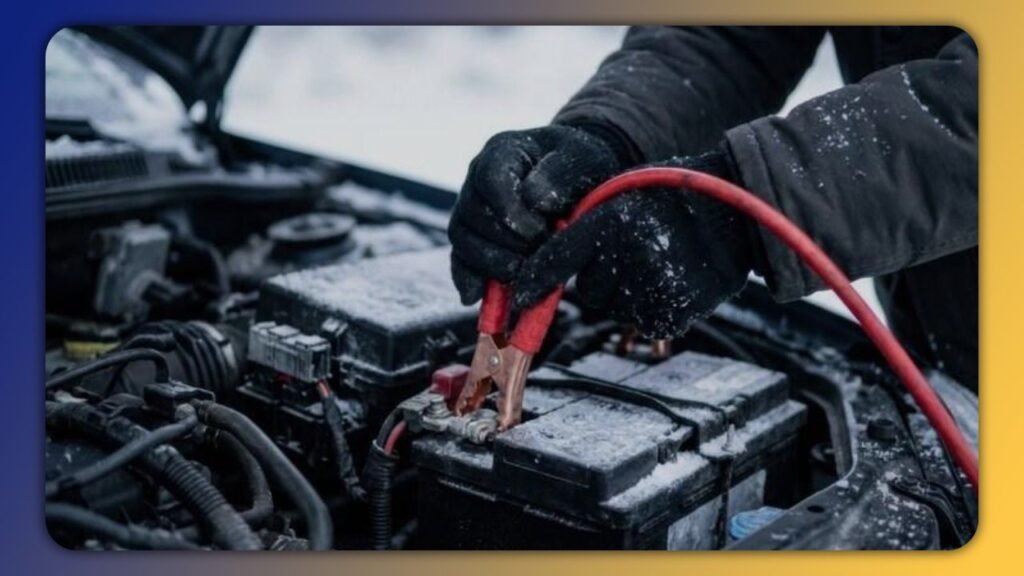
Your car battery keeps dying in winter because cold reduces starting power while your engine needs more current. The search “car battery keep dying in winter” also points to low charge, aging cells, and electrical drains. A repeat failure needs a battery and charging-system test, not another boost alone. Ontario’s freezing mornings expose problems that warmer weather hides.
Table of Contents
ToggleCar Battery Keep Dying in Winter Across Ontario
Winter battery trouble usually combines reduced battery output and increased starting demand. A strong battery still starts an engine below freezing. A weak battery often fails after one cold night. Toronto, North York, Scarborough, Brampton, and Mississauga drivers face the same basic electrical problem.
Cold Chemistry Reduces Available Power
Lead-acid batteries use chemical reactions to release electrical energy. Cold temperatures slow those reactions. At -18°C (0°F), drivers need dependable cold-start performance. Cold cranking amps (CCA) measure starting current under that standard test temperature. A battery’s CCA label describes a laboratory rating, not a guarantee for every vehicle.
Cold weather also increases resistance inside a weak battery. Your battery can show normal dashboard lights but lack enough current for the starter motor. A repeated “car battery keep dying in winter” search often begins with exactly that symptom.
Thick Oil Increases Starting Demand
Cold engine oil moves less freely during startup. The starter motor must work harder to turn the crankshaft. Your vehicle manufacturer specifies an appropriate oil grade, such as 0W-20 or 5W-30. Follow the owner’s manual, rather than choosing a thinner oil without checking engine requirements.
Cold Temperatures and Reduced Starting Power
Freezing temperatures expose failing batteries but rarely explain repeated discharge alone. A healthy, charged battery handles expected winter starts. Look for a second cause when your battery dies again after a full recharge.
Battery Age and Cold Weather Stress
Many conventional car batteries last 3–5 years, although usage and maintenance change service life. CAA recommends checking older batteries before cold weather. Ask a technician for a conductance or load test before the first major cold snap. A battery can start at 5°C (41°F) yet struggle at -15°C (5°F).
Avoid treating battery age as a complete diagnosis. A 2-year-old battery can fail after deep discharge or charging faults. A 5-year-old battery can pass a proper test. Measured condition matters more than the calendar alone.
Low Charge and Winter Freezing Risk
A discharged lead-acid battery has less protection against freezing electrolyte. A frozen or cracked battery creates a serious safety hazard. Never jump-start or charge a visibly frozen, leaking, or swollen battery. Keep away from damaged terminals and arrange professional inspection.
Cold batteries also accept charging current more slowly. A short drive after a boost does not guarantee a full recharge. Battery temperature, alternator output, and electrical loads all affect recovery.
Car Battery Keep Dying in Winter After Short Trips
Short trips create a predictable charging deficit. Every cold start takes energy, while a brief commute provides little recovery time. The problem worsens when you use heated seats, defrosters, headlights, and cabin blowers.
Repeated Starts on Short Commutes
A 5 km (3 mile) school run offers less charging opportunity than a 30 km (19 mile) highway drive. Traffic lights and long idling periods also limit useful charging under heavy electrical loads. Short drives do not reliably restore a deeply discharged battery. The required charging time depends on your vehicle and battery condition.
If you searched “car battery keep dying in winter” after local errands, track the frequency of cold starts. Write down trip lengths, outdoor temperatures, and each booster attempt. A technician can use those records during testing.
Accessories Left Running After Shutdown
Dash cameras, charging adapters, and aftermarket audio systems can draw power after you park. Some dash cameras include parking modes that intentionally stay active. Check whether your vehicle cuts power to its accessory socket after shutdown.
Remove unnecessary devices before leaving your car overnight. Follow your vehicle’s instructions before disabling any security or recording device. A powered accessory is one possible drain, not proof of a damaged battery.
Hidden Electrical Drains After Parking
A parasitic draw means an electrical component consumes current after normal vehicle shutdown. Some standby current supports alarms, memory, and remote entry. Excess current gradually empties the 12-volt battery, especially during long parking periods.
Overnight Drain from Electrical Faults
A sticking relay, faulty glovebox switch, or damaged aftermarket module can remain active overnight. Modern vehicles also need time to enter sleep mode. Opening doors during testing can restart control modules and change readings.
Ask an automotive technician to measure parasitic current using the manufacturer’s procedure. Do not disconnect random fuses on a modern vehicle. Unplanned power interruption can reset settings or create electronic faults.
Battery Failure After Several Parked Days
A search for “car battery keep dying in winter” after 3 parked days suggests a charging or standby-load issue. Cold conditions make the underlying problem easier to notice. A maintenance charger supports suitable vehicles during extended storage, but a charger cannot repair a defective module.
Use a smart charger approved for your battery type. Follow manufacturer limits for absorbed glass mat (AGM) and enhanced flooded battery (EFB) batteries. Confirm a safe power source before connecting equipment in a condominium garage.
Battery Age, Corrosion, and Charging System Failures
Three mechanical or electrical faults deserve attention: weak battery cells, poor connections, and inadequate alternator charging. Each fault can mimic a winter-only battery failure. A structured inspection separates those causes without unnecessary replacement.
Corroded Terminals and Loose Cables
White or green deposits around battery posts interfere with electrical contact. Loose terminal clamps also create resistance during starting. Inspect the battery area for damaged insulation, corrosion, and unsecured connections.
Switch off the engine before inspection and follow the owner’s manual. Avoid touching leaking electrolyte or bridging terminals with metal tools. Ask a technician to clean and tighten connections when access requires protective equipment.
Alternator and Belt Problems
The alternator supplies electrical power while a combustion engine runs. A worn belt, damaged regulator, or wiring fault can reduce battery charging. A dashboard charging warning deserves immediate inspection.
Have a technician test charging voltage under appropriate loads. Modern smart-charging systems vary output, so one voltage reading cannot confirm alternator health. A battery boost that fails again while driving points beyond cold-weather weakness.
Early Warning Signs Before a Winter Breakdown
Slow cranking, repeated clicking, and dim lights often appear before complete starting failure. The same symptoms can involve starter motors, cables, or charging faults. Watch for changes across 2 or 3 mornings rather than relying on one start.
Slow Cranking and Repeated Clicking
A slow crank means the starter turns the engine more slowly than normal. Rapid clicking usually shows the starter circuit cannot sustain the required power. A single click can also indicate a starter or connection fault.
Stop repeated starting attempts after a few short tries. Continuous cranking heats components and drains remaining charge. Switch off accessories and arrange a safe battery assessment.
Dashboard Warnings and Dim Lighting
Dim headlights and flickering interior lights can accompany low system voltage. A battery-shaped warning light often relates to the charging system, not simply an old battery. Record whether the light appears before starting or while driving.
A search for “car battery keep dying in winter” should lead to diagnosis, not automatic battery replacement. Match each symptom with a test before authorizing repairs.
Safe Steps After a Failed Cold-Weather Start
Put personal safety first when a dead battery leaves your vehicle parked or stranded. Move away from moving traffic when possible. Stay in a safe location during severe cold, and tell the dispatcher about roadside hazards.
Safe Preparation for a Battery Boost
Turn off the ignition, cabin fan, headlights, and unnecessary accessories. Confirm your vehicle’s approved jump-start points in the owner’s manual. Hybrids, electric vehicles, and some newer cars use specific jump procedures.
Never connect equipment to orange high-voltage cables or attempt to boost a traction battery. A trained operator can inspect accessible terminals and apply the correct method. GTA Towing & Roadside Assistance offers 24/7 battery boost service across its stated service area.
Immediate Action After the Engine Starts
Keep your destination close to professional help after a successful boost. A restarted engine does not prove your battery is healthy. Ask for battery, alternator, and connection testing before trusting another cold start.
Avoid shutting off the engine repeatedly during the same trip. Follow your technician’s advice about driving, charging, or replacement. Seek towing instead of driving when warning lights or engine problems continue.
Battery Testing and Replacement Decisions
A full battery diagnosis includes state of charge, starting performance, and charging-system condition. A boost alone answers only whether external power helps start the engine. Testing explains the repeated failure.
Battery Voltage and Load Testing
A rested, healthy 12-volt lead-acid battery often reads around 12.6 volts when fully charged. Temperature, recent charging, and battery chemistry affect the reading. A single resting voltage cannot prove usable starting capacity.
A technician can perform a conductance test, appropriate load test, and charging inspection. Ask for the results in plain language. The test should identify whether a recharge, repair, or replacement fits your vehicle.
Correct Replacement Battery Selection
Match replacement size, terminal layout, and required CCA to your owner’s manual. Vehicles with start-stop systems often require AGM or EFB technology. Do not substitute a conventional flooded battery without checking factory specifications.
The “car battery keep dying in winter” problem continues after replacement when an electrical drain remains. Fix the root cause before treating a new battery as the final answer. Ask the installer about registration or coding requirements for your vehicle.
Winter Battery Maintenance for Ontario Drivers
Preventive maintenance reduces avoidable no-start mornings. Check battery condition before extended freezing weather, especially after an earlier boost. Give your vehicle enough charging opportunity between repeated cold starts.
Weekly Habits for Reliable Starts
Limit unnecessary electrical loads while the engine is off. Check that the cabin lights, trunk lamp, and dash camera stop drawing power as expected. Inspect the battery case visually during regular under-hood checks.
Plan a longer necessary drive when most trips are very short. A smart maintenance charger works better for prolonged parking when the vehicle manufacturer permits one. Never idle inside a closed garage.
Winter Parking and Charger Safety
Sheltered parking can reduce direct wind exposure, but garage parking does not repair a weak battery. Use a suitable block heater where your vehicle supports one. A block heater warms the engine, reducing starting resistance.
Keep electrical cords free from snow, moving parts, and vehicle tyres. Follow outdoor electrical safety instructions. If you park underground, confirm property rules before connecting a charger. Never run an extension cord through standing water.
Ontario Roadside Assistance and Battery Boost Options
Roadside assistance can restore a safe start or transport a vehicle for proper diagnosis. GTA Towing & Roadside Assistance advertises 24/7 battery boosting and general roadside help. Its published pages do not list a fixed battery-boost dollar rate.
Battery Boost Versus Towing
Choose a battery boost when the car has no visible battery damage and the vehicle permits jump-starting. Choose towing when a boost fails, the battery looks unsafe, or an electrical fault prevents reliable driving.
Tell dispatch your exact parking position and vehicle make. Mention an underground garage, locked steering, or limited clearance. You can review the company’s local roadside assistance team before requesting help.
GTA Coverage and Upfront Quotes
The company’s site names Toronto, North York, Scarborough, Brampton, Mississauga, Vaughan, and Richmond Hill among its service areas. Coverage, traffic, and weather affect dispatch availability. Ask the dispatcher to confirm service for your exact address.
Request a clear quote before dispatch and ask what the quoted service includes. Avoid relying on an unverified online price for a cold-weather boost. Confirm any towing destination and additional service before approving work.
Common Battery Problems and Quick Solutions
Use symptoms to choose the next safe action. Repeated failures require diagnosis, even when a boost starts the engine. The quick-reference table separates urgent steps from follow-up testing.
| Task | Timing | Method | Difficulty |
| Check visible battery damage | Before any boost | Inspect case without touching leaks | Easy |
| Turn off cabin accessories | Before starting | Disable lights and powered devices | Easy |
| Request a battery boost | Immediately after a safe no-start | Contact roadside dispatch | Easy |
| Arrange battery and charging tests | Same day after a repeat failure | Technician tests battery and alternator | Professional |
| Check parasitic electrical draw | After repeated overnight discharge | Technician follows sleep-mode test | Professional |
| Confirm replacement specification | Before purchasing a battery | Match manual and factory battery type | Moderate |
Battery Dies Despite a Recent Boost
A fresh boost gives temporary starting power. The battery still needs enough charge and usable capacity for the next start. An alternator problem or parasitic draw can empty a healthy replacement battery.
After 2 boosts, treat “car battery keep dying in winter” as a sign of an unresolved fault. Book a diagnostic inspection and explain the timing between failures.
Battery Works in Warm Weather Only
Cold weather raises starting demand and exposes low reserve capacity. Test the battery under conditions suitable for its chemistry and temperature. Inspect the starter circuit if the battery passes testing but cranking remains slow.
Replace a failed battery only after confirming the result. A reputable technician will also inspect charging output and cable resistance.
Frequently Asked Questions
Why does my car battery keep dying in winter in Ontario?
Cold reduces starting performance, while aging cells, short drives, and electrical drains lower available charge. Test the battery and charging system.
Can a new car battery die during Ontario winter?
Yes. Parasitic draw, short trips, defective charging, and loose connections can discharge a new battery. Check the entire electrical system.
Does a 15-minute drive recharge a dead battery?
No, not reliably. Recovery depends on battery condition, temperature, and vehicle loads. Use an approved charger and request testing.
Should I jump-start a frozen car battery?
No. A frozen, cracked, leaking, or swollen battery creates a safety risk. Arrange professional assistance instead of applying booster cables.
Do I need towing after repeated winter boosts?
Yes, when the vehicle remains unreliable or unsafe to drive. A technician should diagnose the battery, alternator, and electrical drains.
Winter Battery Reliability and Emergency Support
Repeated “car battery keep dying in winter” concerns deserve more than a temporary jump-start. Test the battery, inspect the charging system, and identify any parked-vehicle drain. Protect yourself first during a roadside breakdown. For continued no-start problems, review emergency car towing options. Request a confirmed quote from GTA Towing & Roadside Assistance.
 Call us at
 Email us at