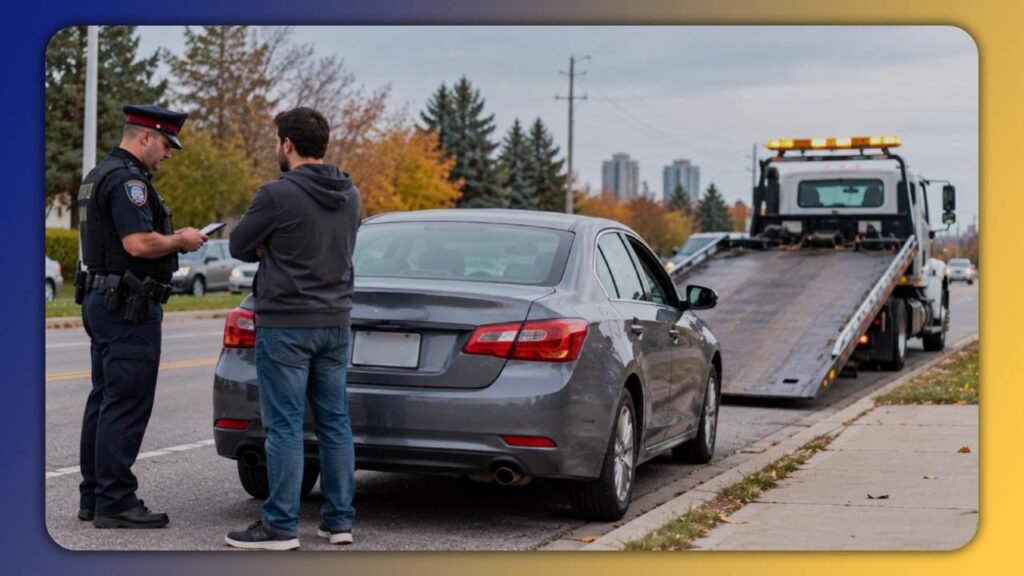
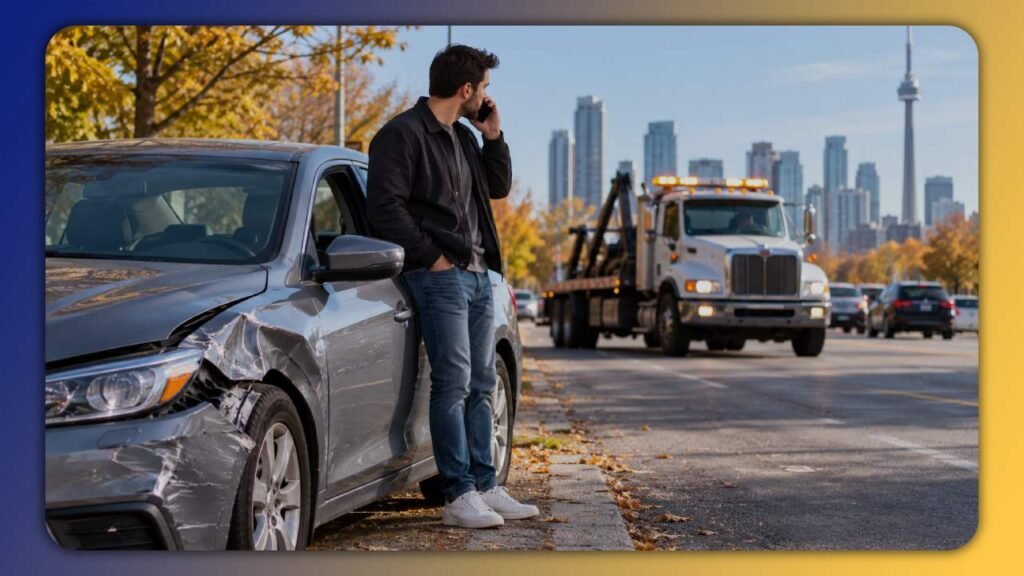
A tow truck chaser approaches a collision scene without your request and tries to secure your towing business. You can refuse unsolicited towing, except where police direction or a restricted tow zone changes the process.
The term describes the practice of chasing collision calls, not every tow driver who happens to arrive nearby. Some operators actively monitor traffic reports and look for damaged vehicles. Others obtain information from roadside contacts or collision alerts. You should judge the driver’s conduct and credentials rather than assume every unexpected arrival proves fraud.
Table of Contents
ToggleThe Difference Between a Chaser and an Authorized Driver
An authorized driver attends after you, your insurer, a roadside membership provider, or the proper highway authority requests service. A tow truck chaser commonly arrives before you authorize anyone and presses you for immediate approval. Ask who dispatched the truck and request confirmation through the dispatcher or police officer.
Why Collision Scenes Attract Unwanted Operators
A damaged car often requires transport, storage, or repair. A tow truck chaser might try to direct your vehicle toward a particular storage yard or body shop. Such referrals can create conflicts, especially when drivers promise insurance coverage without consulting your insurer. Do not treat a verbal insurance promise as payment approval.
How Tow Truck Chasers Approach Drivers
Tow truck chasers typically approach while you manage traffic, witnesses, vehicle damage, and insurance calls. Pressure to sign immediately is a warning sign, especially without a clear price or destination.
Unrequested Arrival and Claimed Authority
A tow truck chaser might claim police sent the truck or that your insurer already approved service. Verify either claim directly with the police officer or insurer. A uniform, flashing amber lights, or a parked truck does not prove official dispatch.
Body Shop and Storage Yard Pressure
A driver might recommend one repair shop while discouraging your preferred facility. Ask for the storage address, release process, and all maximum rates before deciding. Ontario rules give you important destination rights, subject to police instructions and restricted tow zones.
Paperwork Before Basic Explanations
Avoid signing an incomplete form or a document covering repairs you never requested. Read the towing consent and destination details. Keep a photographed copy, including the rate schedule. A legitimate transaction should leave you with clear documents and an identifiable operator.
Ontario Laws That Protect Drivers From Tow Truck Chasers
Ontario’s Towing and Storage Safety and Enforcement Act sets province-wide requirements for tow drivers, towing operators, and storage operators. Tow operators and drivers need provincial certificates, subject to specified exemptions.
Certificates, Vehicle Markings, and Published Rates
Ask the driver to show a tow driver certificate. Look for the towing company’s name and certificate number on the truck. Operators must publish their maximum rates and disclose the relevant schedule when requesting consent. A quoted amount must follow applicable rules, not a surprise invented at delivery.
Consent, Destination, and Receipts
You generally authorize the tow and choose its destination. Police-directed removals and restricted towing zones create exceptions. Ontario requires documentation of towing consent in the standard situation. Request an itemized invoice and a payment receipt. Your driver must follow the specified destination, subject to lawful exceptions.
Personal Property and Vehicle Access
Ontario rules protect access to personal items inside a towed vehicle. Ask the storage facility for the release process before visiting. Retrieve medication, identification, childcare supplies, and work equipment through the permitted access procedure. Keep a written record when an operator refuses your request.
How to Identify a Tow Truck Chaser Before Signing
To identify a tow truck chaser before signing, verify dispatch, certification, destination, and maximum charges. Make your decision before the operator attaches lifting equipment.
Check the Operator’s Identity
Ask for the full company name, provincial tow certificate details, and the driver’s certificate. Compare the company name against the dispatcher you contacted. Photograph the visible truck identification when safety permits. Never stand in moving traffic to collect evidence.
Check the Route and Destination
State the address of your chosen Collision Reporting Centre, repair facility, or other permitted destination. Ask the driver to repeat the destination aloud. Verify whether an officer requires a specific location. Refuse unexpected detours to a storage yard without a lawful reason and a clear explanation.
Check What the Consent Covers
Read the complete consent document before signing. Confirm the vehicle, pickup site, delivery site, service requested, and rate information. A tow authorization does not automatically authorize collision repairs. Contact your insurer before signing repair-related documents.
How to Choose a Tow Company After a Crash
To choose a tow company after a crash, secure the scene, confirm the reporting plan, then contact your selected provider. Your safety takes priority over price comparisons.
First Priorities at the Collision Scene
Call 911 for injuries, immediate danger, or emergencies. Follow police instructions and move only when safe and lawful. Photograph vehicle damage, road position, and licence plates when you can. Exchange insurance and contact details with the other driver. Avoid roadside arguments about fault.
Contact Your Insurer Before Authorizing Towing
Ask your insurer which destination and repair arrangements fit your claim. Request the dispatcher’s company name and expected vehicle identification. Keep your claim number and dispatch confirmation accessible. You can consider professional accident towing after confirming the provider fits your location and legal towing options.
Get a Written Destination and Rate Disclosure
Confirm whether the vehicle needs a Collision Reporting Centre first. Get the towing company’s maximum rate schedule before agreeing. Ask which services apply, including loading, distance, equipment, or storage. Compare the final invoice with the written consent and the actual service.
How Restricted Highway Tow Zones Change Your Choices
Ontario’s restricted tow zones use authorized towing companies only on specified provincial highway sections. Your usual company cannot remove a vehicle from a restricted zone unless authorized.
The Role of Ontario 511
Use Ontario 511 to verify the current restricted tow zone map. Call 911 for an emergency or a vehicle in a travelled lane. For a non-emergency tow within a restricted zone, Ontario directs motorists to call 511. Outside such zones, contact your selected towing provider directly when safe.
Authorized Dispatch Is Not Collision Chasing
An authorized truck arriving through the provincial tow zone program follows a defined dispatch arrangement. Confirm the driver’s authorization if you feel uncertain. Do not reject official instructions merely because you did not personally request the tow. Ask the officer or 511 operator to identify the assigned towing provider.
Your Rights Still Matter in a Restricted Zone
Ask for the required documentation and information about approved pricing. Confirm where the vehicle will travel and how to arrange the next stage. Standard zone rules determine the initial authorized tow. Speak with your insurer about later transport and storage arrangements.
Understanding Towing Bills and Storage Charges
Your written rate disclosure and itemized invoice control the price discussion. Towing companies must disclose maximum rates under Ontario rules, but actual charges depend on authorized work.
What a Transparent Invoice Identifies
A proper invoice identifies the operator, service date, vehicle, towing service, and applicable charges. Ask about the base tow, distance, recovery equipment, waiting, and storage where relevant. Do not assume a single kilometre price covers complicated recovery work. Compare each charged service with work actually performed.
Why a Verbal Price Promise Creates Risk
A tow truck chaser might tell you insurance covers everything. Your insurance policy, deductible, claim decisions, and coverage limits determine actual reimbursement. Speak with the insurer rather than rely on a tow driver’s prediction. Save screenshots of quotations, text messages, and the disclosed maximum rate schedule.
A Realistic Example Without Invented Prices
Imagine a collision near Highway 401 in Toronto. Your sedan needs a tow after front-end damage. The driver offers transport to a repair shop but avoids naming a final price. You should ask for maximum rates and written consent before authorizing service. GTA Towing & RSA’s pages do not establish one universal published price for every collision, so request a specific quote.
How to Respond When an Unauthorized Truck Hooks Your Car
To respond when an unauthorized truck hooks your car, tell the driver clearly that you have not consented. Contact police when the situation becomes threatening or unsafe.
Stop Unauthorized Work Without Confrontation
State that you have not agreed to towing and request the operator’s details. Keep your distance from winches, cables, moving vehicles, and loading ramps. Do not stand between the truck and your vehicle. Record the scene from a safe position, without interfering with emergency crews.
Record the Information You Need
Photograph the licence plate, company markings, tow equipment, and written documents when safe. Record the precise collision location and time. Save the phone numbers of the dispatcher and insurer. Ask any witness for contact information. Your written timeline can help support a formal complaint.
Recover a Vehicle Taken to Storage
Contact the storage operator and your insurer promptly. Ask for the storage yard address, itemized charges, and release requirements. Request access to personal belongings under Ontario consumer protections. Seek advice quickly if a disputed bill delays release. You can ask about reliable vehicle recovery services for an authorized follow-up move.
How to Report Predatory Towing in Ontario
To report predatory towing in Ontario, gather your documents and use the provincial towing complaint process. Contact police immediately when someone threatens you or takes your vehicle unlawfully.
Send a Detailed Provincial Complaint
Ontario’s Ministry of Transportation oversees provincial towing certificates and compliance. Describe the operator’s identity, location, date, quoted amounts, requested destination, and actual outcome. Attach clear copies of consent forms, invoices, photos, and relevant messages. Focus on observable conduct rather than unsupported allegations.
Notify Your Insurer About Disputed Charges
Tell your adjuster which towing work you authorized and which charges you dispute. Supply your written rate disclosure and itemized invoice. Ask whether your insurer has approved a storage location or repair plan. Keep copies of claim correspondence and instructions about relocating the vehicle.
Protect Yourself From Repeated Contact
Stop discussing the dispute with aggressive intermediaries. Communicate through the operator’s documented business contact and appropriate authorities. Preserve calls and messages. Report intimidation to police. The complaint process addresses compliance; a legal adviser can assess private billing disputes.
Preventing Tow Truck Problems Before Your Next Drive
Save a trusted towing contact before a collision happens. A prepared plan reduces the pressure to accept the first truck that appears.
Keep 3 Contacts Accessible
Save your insurer’s emergency number, roadside assistance provider, and preferred local towing service. Store the details in your phone and vehicle papers. Check coverage and authorized drivers before an emergency. Keep the provincial Ontario 511 information available for restricted highway tow zones.
Prepare for Different Vehicle Conditions
A flatbed truck can suit vehicles with damaged wheels, low ground clearance, or certain drivetrain requirements. Confirm the correct equipment with the dispatcher. Ask for a full-platform transport estimate when a damaged vehicle requires flatbed loading. Explain wheel damage, steering issues, and ground clearance before loading.
Practice a Clear Consent Decision
Ask who sent the driver, where your vehicle will go, and how charges work. Read every document before agreeing. Decline unauthorized repair referrals. Keep the insurer informed. A tow truck chaser loses the opportunity to pressure you when you verify each decision.
Extra Precautions for Ontario Collision Drivers
A tow truck chaser can exploit confusion when your vehicle stops across a busy intersection. Keep emergency instructions separate from commercial sales discussions. Ask an officer which vehicles need moving before evaluating a towing offer. If police require immediate clearance, follow the authorized direction without negotiating beside moving traffic.
Clarify Driver and Vehicle Identification
A tow truck chaser can appear credible without offering a verifiable certificate. Ask the driver to present the provincial credential, then record the operator name. Confirm the company identity through an independent telephone number. Do not use only a contact number printed on suspicious paperwork. A genuine dispatch confirmation gives you a second source for checking the arrival.
Distinguish Towing Consent From Storage Consent
A tow truck chaser may present documents covering transport and storage together. Ask which company will hold the vehicle and where the storage facility operates. Verify the destination and access arrangements before you authorize storage. Keep copies of each agreement because towing and storage create separate responsibilities. Call your insurer to confirm the claim plan before agreeing to a repair facility.
Make Your Instructions Clear During a Dispute
A tow truck chaser might continue talking after you refuse service. Tell the operator that you decline towing and have called another provider. Avoid physical contact with personnel or equipment. If a driver blocks access or threatens anyone, contact police. Record observations only from a safe location. Your safety matters more than collecting every possible photograph.
|
Task |
Timing | Method |
Difficulty |
| Check immediate danger | Immediately | Call 911; follow police instructions | High |
| Confirm tow dispatch | Before consent | Call insurer, provider or 511 | Low |
| Review rates and consent | Before hookup | Read maximum rates and forms | Medium |
| Confirm destination | Before departure | Record selected legal drop-off | Low |
| Keep invoice and photos | At service completion | Save documents and photographs | Low |
| File a towing complaint | After an incident | Submit documented concerns to Ontario | Medium |
Frequently Asked Questions
Is a tow truck chaser always operating illegally?
No. An unexpected arrival alone does not prove a violation. Investigate solicitation, consent, certification, and compliance with police direction.
Can I refuse an unsolicited tow truck in Ontario?
Yes. You generally choose your towing provider. Police-directed towing and designated restricted highway tow zones create exceptions.
Must a tow driver show a provincial certificate?
Yes. Ontario requires certified tow drivers to present their certificate upon request, subject to statutory exemptions.
Can a tow truck chaser choose my repair shop?
No. Your tow authorization does not grant a driver unrestricted control over repairs or destinations. Confirm required reporting arrangements first.
Should I pay a tow truck chaser before receiving an invoice?
No. Request a clear itemized invoice and compare charges with the rate information and work authorized.
Safe Towing Starts With Informed Consent
A tow truck chaser often relies on urgency, uncertainty, and incomplete price information. You protect your vehicle by verifying certification, consent, destination, and written rates. Keep police and insurer instructions central to every collision decision. For towing support in Toronto and nearby communities, review safe flatbed towing options and request a written, situation-specific quote.
 Call us at
 Email us at