Parking in condo and apartment buildings comes with a layer of complexity that single-property towing situations don’t have — multiple residents, a board or management company, visitor spots, and lease or condo-bylaw obligations all overlapping. This article looks at how towing typically fits into that picture.
Important note: condo bylaws, building rules, and lease terms vary significantly between properties, and municipal and provincial towing rules can change. Nothing here should be treated as legal advice for a specific building — always confirm current requirements with your condo corporation’s governing documents, property manager, or a qualified professional before acting.
Table of Contents
ToggleWho Actually Has Authority to Request a Tow
In a condo building, that authority usually sits with the condo corporation or its property management company, not with an individual resident acting alone — even if the resident’s own reserved spot was taken. In a rental apartment building, it’s typically the landlord or property management company. A resident who finds someone in their spot generally needs to go through their board or management office rather than arranging a tow independently.
Visitor Parking Is Where Most Issues Happen
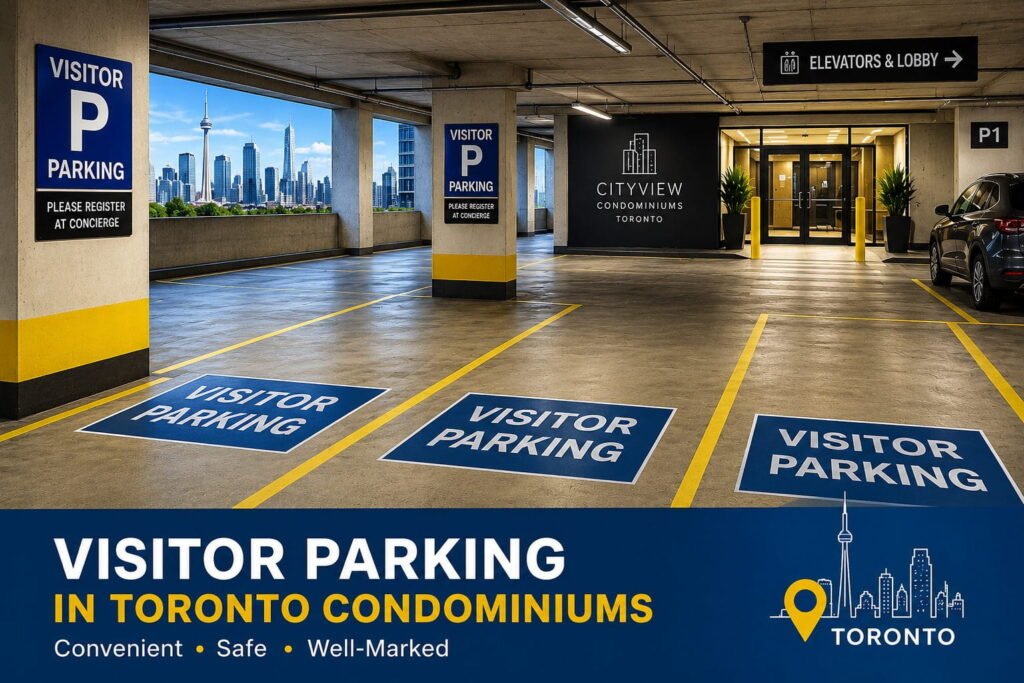
Reserved resident spots get violated occasionally, but visitor parking tends to be the more common source of ongoing problems — spots meant for short-term guest use that end up occupied by the same vehicle for days or weeks, or used by people who aren’t visiting anyone in the building at all. Buildings that see this repeatedly often benefit from a clearer visitor parking policy: how long a guest spot can be used, whether registration is required, and what happens when the rule is ignored.
What Should Be in the Building’s Documentation
A condo or apartment building relying on towing as part of its parking enforcement typically needs a few things clearly documented:
- Signage in the parking garage or lot stating restrictions and towing consequences
- A parking policy included in condo rules, the declaration, or lease agreements
- A clear internal process for who can authorize a tow on behalf of the building
- Records of prior notices given to a specific vehicle or resident, if the issue is recurring
Boards and management companies that keep this documentation current are in a much stronger position if a towing decision is ever questioned by a resident or guest.
Resident Disputes Are Common — Plan for Them
Towing a resident’s own vehicle, or a vehicle belonging to their guest, tends to generate more pushback than towing a stranger’s car from a commercial lot, simply because there’s an ongoing relationship involved. Having a documented policy that residents were made aware of — through move-in materials, building notices, or the condo declaration — makes these situations easier to resolve, because the rule wasn’t a surprise.
Setting Up a Towing Relationship for the Building
Many condo boards and apartment managers set up an ongoing relationship with a towing company rather than calling around each time an issue comes up. This usually means confirming the company’s certification under current Ontario towing regulations, agreeing on a rate structure in advance, and having a straightforward process for management to request property towing when it’s genuinely needed. An established relationship tends to mean faster response and fewer surprises for everyone involved.
What Residents Should Know
If you live in a condo or apartment and believe a vehicle is in violation of building parking rules, the right step is usually reporting it to your property manager or board rather than handling it yourself. If your own vehicle is ever towed and you believe it was in error, your building’s management office and any posted signage are the right starting points for resolving it.
Condo and apartment parking enforcement works best when the rules are documented, communicated clearly to residents, and applied consistently — towing is just the last step in a process that should already be in place before it’s needed.
FAQs
Can an individual condo resident have a vehicle towed from their own spot?
Usually not directly — authority to request a tow typically sits with the condo corporation or its property management company, even when it’s the resident’s own assigned spot.
How should visitor parking violations be handled in a condo building?
Most buildings benefit from a clear, communicated visitor parking policy — time limits, registration requirements — enforced consistently, with towing reserved for repeat or serious violations.
Where should condo parking rules be documented?
Typically in the condo declaration, building rules, or lease agreements, along with signage posted in the parking area itself.
Can a landlord tow a tenant’s vehicle for a lease violation?
This depends heavily on the specific lease terms and current provincial rules, and isn’t something to assume without confirming the applicable requirements for that situation.
What should I do if I think my car was towed in error from my building?
Contact your building’s property management office and check any posted signage for the towing company’s contact information to resolve it directly.
 Call us at
  Email us at