Being stranded on the side of the road is stressful and can be overwhelming. I’ve been a tow truck operator for over ten years, and I’ve seen drivers face everything from icy highways to cars stuck in ditches after a sudden storm. Knowing how to call a tow truck safely and efficiently can save you time, prevent damage to your vehicle, and keep you calm. Here’s what I’ve learned from years on the job, along with practical advice, real-life stories, and insider tips.
Table of Contents
ToggleHow Do You Know It’s Time to Call a Tow Truck?
Sometimes drivers aren’t sure if they need a tow. I remember a young driver who tried to push her car out of a ditch on a rainy morning. She spent half an hour struggling, got muddy, and ended up bending the suspension. A tow truck could have saved her stress and damage.
You should call a tow truck if:
- Your car won’t start despite multiple attempts.
- You’re involved in a minor or major accident.
- Your vehicle is stuck in mud, snow, sand, or a ditch.
- You’ve run out of gas in an unsafe location or have a flat tire you can’t change.
When in doubt, always call a professional. It’s safer and often faster than attempting risky fixes.
How Can You Find a Reliable Tow Truck Company?
Finding a trustworthy company can make a huge difference. One night, a driver called the first tow service he found online and waited 45 minutes in freezing weather. Researching ahead could have avoided that stress.
Here’s what works:
- Search online with phrases like “emergency tow truck near me” or “24-hour towing service.”
- Check reviews on Google, Yelp, or community Facebook groups.
- Ask your insurance provider for recommended towing partners.
- Confirm the company is licensed, insured, and experienced.
A little preparation upfront can save time, money, and frustration. A reliable operator can turn a stressful situation into a smooth one.
What Information Should You Have Ready?
Providing accurate information makes the tow faster and safer. I’ve had calls where drivers couldn’t give their exact location—it added 20 minutes to the response time and created unnecessary stress.
Before calling, gather:
- Your exact location, with GPS coordinates or nearby landmarks.
- Vehicle make, model, year, and color, so the right equipment is dispatched.
- A clear description of the problem—dead battery, accident, stuck, or flat tire.
- Any special considerations like AWD, hybrid battery, or heavy cargo.
Having these details ready reduces waiting time and prevents mistakes during the tow.
How Much Does a Tow Truck Usually Cost?
Tow pricing depends on distance, vehicle type, and the towing method. I once had a driver panic after being quoted $400 for a long-distance tow. After explaining the breakdown, they understood the cost and felt relieved.
Typical costs include:
- Short local tow (5–10 miles): $75–$150
- Long-distance tow (20+ miles): $150–$400
- Specialty vehicles (luxury, hybrid, heavy-duty): $200+
Factors that affect pricing:
- Distance to the destination
- Vehicle type and required equipment
- Towing method (flatbed, wheel lift, integrated)
- Time of day or emergency service fees
Always request a clear estimate before the tow begins. Transparency prevents surprises and keeps the situation calm.
How Do You Stay Safe While Waiting?
Safety should always come first. One night, a driver stayed inside her car with hazard lights on while I approached. A car skidded near her, but she was completely safe because she followed the right precautions.
Tips for staying safe:
- Pull over to a safe area off the road.
- Turn on hazard lights immediately.
- Stay inside if traffic is heavy.
- Use reflective triangles or flares if it’s dark.
- Avoid standing directly behind or in front of your vehicle.
What Happens When the Tow Truck Arrives?
When I arrive at a scene, I first check that the driver is comfortable and understands what will happen. Personal items should be removed, and the driver should watch how the car is loaded.
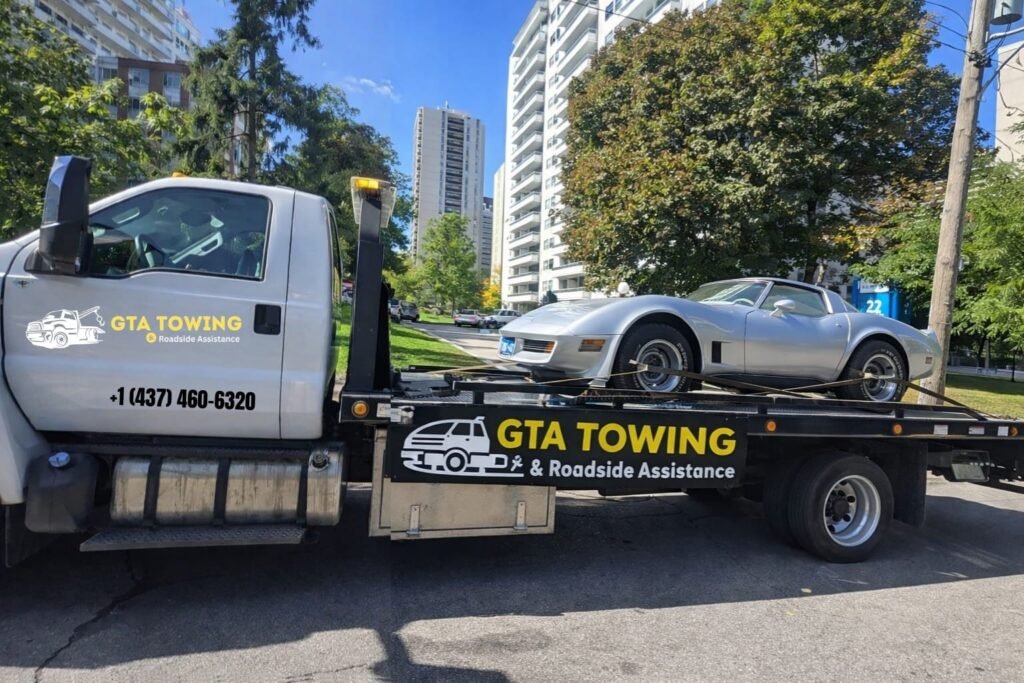
Flatbeds are usually safest for AWD or luxury vehicles, while wheel lifts work fine for standard cars. Choosing the right method prevents scratches, mechanical damage, or other avoidable problems.
Should You Use Insurance or Pay Out-of-Pocket?
Drivers often ask whether to call insurance or pay the towing company directly. Insurance often covers roadside assistance, but dispatch can take longer. In urgent situations, calling a reputable local company can be faster.
Compare costs: if insurance covers the tow fully, great. If not, paying out-of-pocket for a quick, safe tow may be worth it.
How Can You Avoid Tow Scams?
Tow scams are more common than many realize. I once responded to a call where the driver almost paid $500 for a three-mile tow from an unlicensed truck. Fortunately, they called me first.
To avoid scams:
- Avoid unmarked or aggressive tow trucks.
- Verify company credentials.
- Request a verbal or written estimate upfront.
- Never pay large sums without confirmation.
Licensed companies provide fair pricing and transparency. Trust your instincts.
How Should You Handle Accidents or Breakdowns?
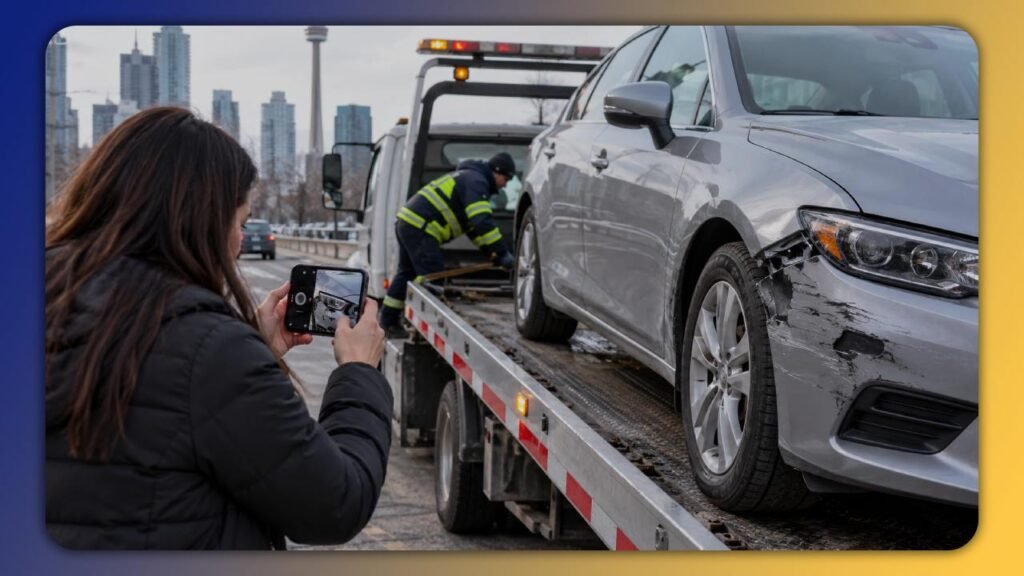
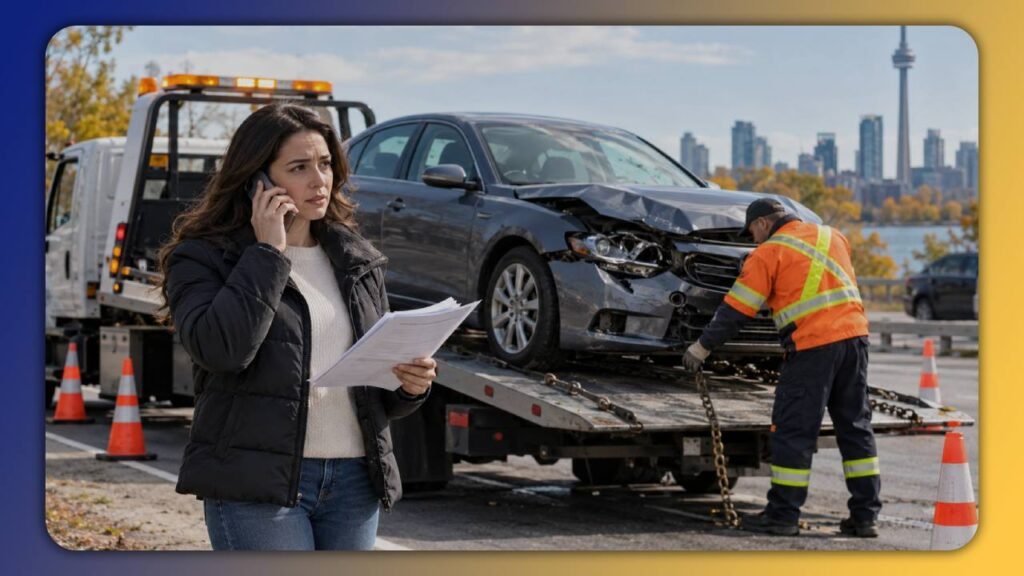
After an accident, your first priority is safety. Move your vehicle if possible, document everything for insurance, and stay calm. One driver tried pushing his car after a minor collision, slipped, and injured his arm. Professionals handle this safely and efficiently.
How Can You Prepare for Future Roadside Emergencies?
Preparation makes emergencies less stressful. Keep a list of trusted towing services, maintain your vehicle regularly, and carry a small emergency kit: flashlight, reflective vest, water, and basic tools. A roadside assistance membership can also speed up help when you need it most.
How Should You Communicate With Your Tow Operator?
Clear communication ensures your vehicle is handled correctly. I’ve seen damage occur when drivers didn’t mention hybrid batteries or AWD systems. Always tell your operator what’s unique about your vehicle, confirm your destination, and ask questions if anything is unclear.
What Should You Do in Emergency Situations?
Severe weather, accidents, or hazardous roads require extra caution. Call 911 if necessary, stay in a safe location, and secure children or pets. Attempting to tow a vehicle yourself is risky—professionals are trained to handle these scenarios safely.
How Do You Choose the Right Towing Method?
Different vehicles require different towing methods. Flatbeds are safest for AWD, luxury, or damaged cars. Wheel lifts work for standard vehicles. Integrated tow trucks are often used by law enforcement or repossessions. Ask your operator which method is safest for your car.
What Should You Do After Your Vehicle Is Towed?
Once your vehicle reaches its destination, inspect it for towing-related damage, discuss repairs with your mechanic, and keep receipts for insurance. Follow-up checks prevent surprises and ensure your car stays in safe working order.
Final Thoughts
Calling a tow truck doesn’t have to be stressful. Knowing when to call, providing accurate information, staying safe, and communicating clearly with professionals makes roadside emergencies manageable. Towing is more than moving a car—it’s about safety, efficiency, and peace of mind. Being prepared, informed, and calm ensures you get back on the road confidently.
 Call us at
  Email us at